
Tuscany is less a region than a continuity of culture. Long before it became synonymous with cypress-lined hills and Renaissance palazzi, it was the land of the Etruscans, a sophisticated civilization that flourished between the 8th and 3rd centuries BCE. Their cities — Volterra, Arezzo, Cortona — established urban systems, metallurgy, and art traditions that would later influence Rome itself.
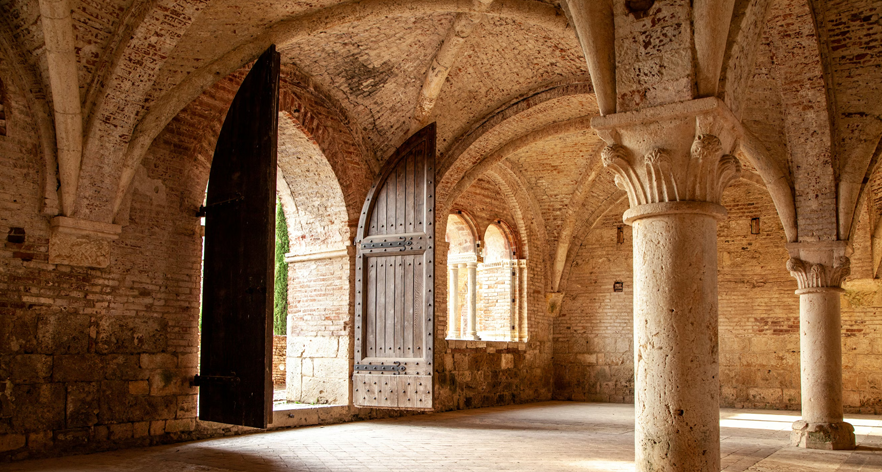
With Roman expansion, the territory became part of the empire’s arterial network. Roads, aqueducts, and agricultural estates reshaped the landscape, embedding Tuscany into a broader Mediterranean order. Yet after Rome’s decline, it was not imperial power that defined Tuscany’s identity, but autonomy.
By the Middle Ages, cities such as Florence, Siena, Pisa, and Lucca emerged as self-governing communes. Commerce, banking, and wool production turned Florence into one of Europe’s wealthiest centers. Economic power translated into intellectual ambition.
The 14th and 15th centuries marked Tuscany’s decisive contribution to Western civilization: the Renaissance. Under the patronage of families such as the Medici, Florence became a laboratory of art, architecture, and humanist thought. Brunelleschi redefined engineering with the dome of Santa Maria del Fiore. Leonardo da Vinci, Michelangelo, and Botticelli reshaped visual language. Dante, Petrarch, and Boccaccio elevated the Tuscan dialect into the foundation of modern Italian.

What distinguished Tuscany was not merely artistic output, but a shift in worldview. Humanism placed the individual — not solely the divine — at the center of inquiry. Proportion, perspective, anatomy, philosophy: these were not abstract pursuits but expressions of a new understanding of humanity’s place in the world.
Politically, Tuscany evolved into the Grand Duchy of Tuscany in the 16th century, maintaining relative stability under Medici and later Habsburg-Lorraine rule. The region became known for progressive reforms, including early moves toward legal modernization and the abolition of capital punishment in 1786 — among the first in Europe.
In the 19th century, Tuscany joined the movement toward Italian unification. Florence briefly served as the capital of the Kingdom of Italy between 1865 and 1871, reaffirming its central cultural role.
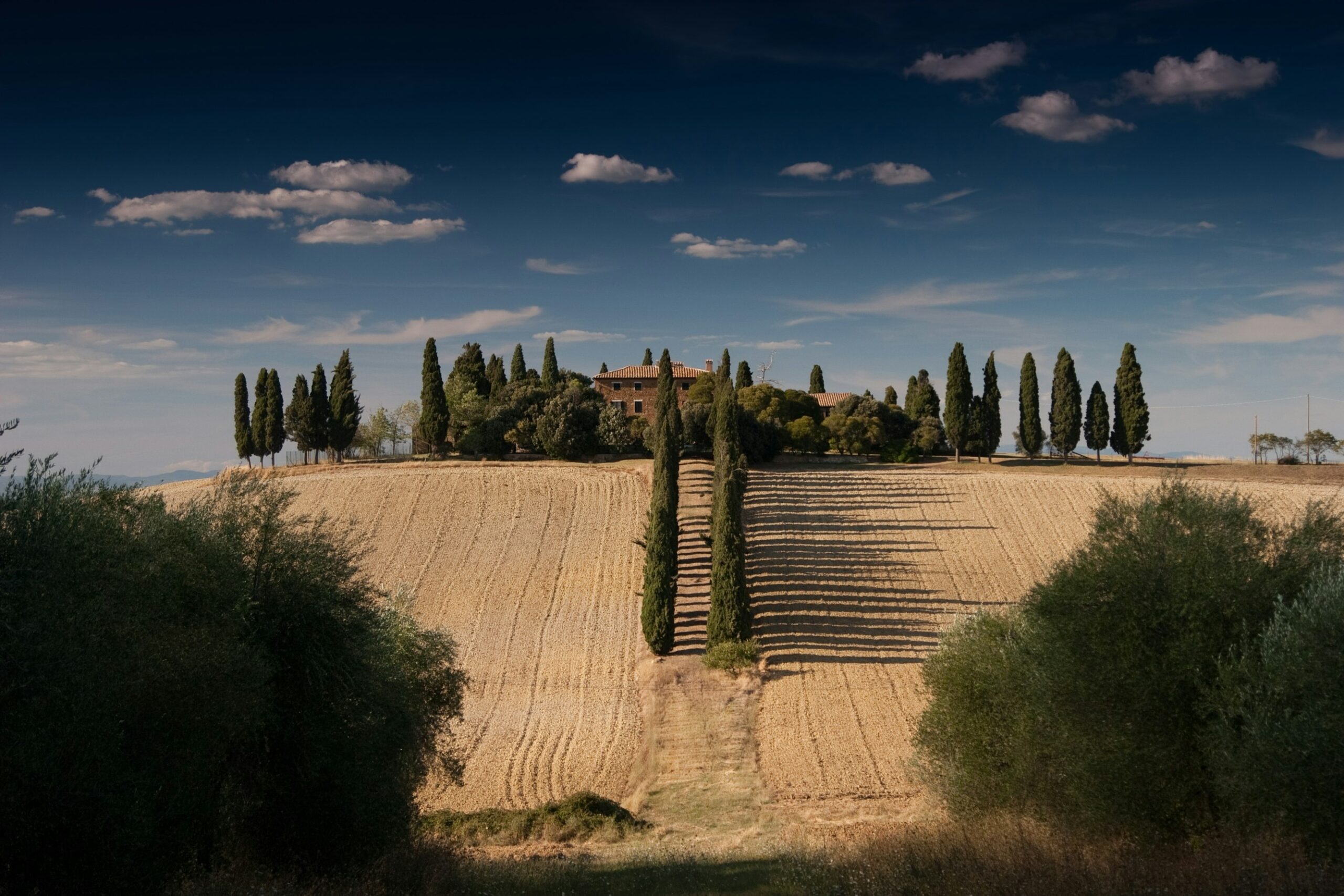
Today, Tuscany’s global image is often filtered through landscape — vineyards of Chianti, olive groves, medieval towns suspended in stone. Yet its enduring significance lies deeper: in its continuity of craftsmanship, civic identity, and aesthetic discipline. Architecture still respects proportion. Food remains anchored in agricultural tradition. Cities retain human scale.
Tuscany’s history is not a sequence of monuments, but a sustained dialogue between land, intellect, and restraint. It is a region that shaped the language of beauty in the West — and continues to inhabit it quietly.
